AS I explained before in my previous articles How to provision Azure Single Database and How to Provision Azure SQL Database elastic pool today I will explain How we can move Azure Single Database to New Elastic Pool, For more information about Azure Database Deployment model Check this Post and If you are interested in More Azure Database Articles to check this Link and if you are Preparing for AZ-103 Azure Administrator Certification check this Article, In Microsoft documentation, you will find How to Provision Single Database or Elastic pool Server but you will note find information for How to move Single database to Elastic pool server
Case Scenario
Let us assume that we have 2 Azure Single Database Servers contain 3 Database with different Service Tier and we need to move them to Azure elastic pool
As we know Azure SQL Database elastic pool is one of the Microsoft Azure database deployment model options to know more about these models check this post and to know more about Azure Single Database check this article and if you interested to check all of the Azure SQL Articles check this link, IF you are Preparing for AZ-103 Azure Administrator Certification check this Article
AS we now Azure SQL Single database is one from deployment Azure Database models if you need to know more information check this post-Azure Database Deployment model options today I am writing about Fundamental information for Azure Single Database
For More Azure Database Articles Check this Link and If you are Preparing for AZ-103 Azure Administrator Certification check this Article
Create Azure Single Database
The Single Database deployment option creates a single isolated database in Azure SQL Database
Azure Single Database Support DTU-based and Vcore-based Purchased Model
The internal of SQL Database server is hidden from the end-user and all are managed by Microsoft Azure
Azure Single Database has it is own Resources (DTU or V-Core) and this resource will not be shared with other databases in the same single instance. Each Database has dedicated resources.
Single Database Isolated meaning if you created two single databases on the same single database server each Database has dedicated resources and the two databases cannot be communicated together and I think this one is a security feature
This means Azure Single Database is the best option for small workloads with applications connects to one DB.
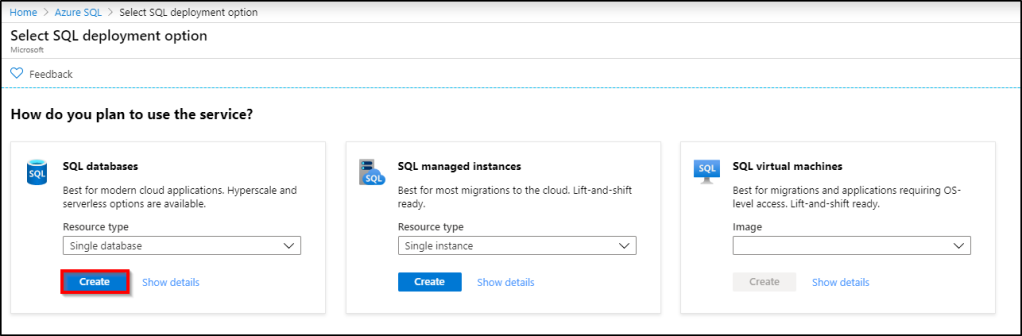
To Provision Azure SQL Single Database, you need (resource Group, Database name, Server Name, User Name, Password, Location, deployment option either single or elastic pool, Compute Storage and purchase model either DTU-based or vCore-based)
In Azure SQL Single database provisioning you can create new or select existing one from (Resource group and Server name)
In Azure SQL Single database provisioning the (resource Group, Database name, Server Name) Should be a unique name.
Today in Article I will explain How we can enable the Auto Failover group on Azure SQL and what is different between Auto-Failover Group and Active Geo-Replication in Azure SQL. Before starting in How to implement the Azure SQL Auto Failover Group I recommend you to take a look on this ➡️ POST to understand How you can configure Active Geo-Replication on Azure SQL and for more Azure SQL articles check this ➡️ LINK and for more other Azure Posts and articles check this ➡️ LINK for all of my azure articles
Active Geo-Replication VS Failover Group
How to enable Auto-Failover Group on Azure Single SQL Server
Check the Failover Group Configuration and Connections





 DB Cloud TECH