Full Architecture for SQL Backup to Blob Storage in Cloud


One of the tasks that any DBA should know How to take backup to URL or restore a backup from URL and this’s the easiest part very simple steps and command but this is not our main objective, we should understand all of the components how it is working, what is the different options, what is the changes happened before SQL Server 2016 and After SQL Server 2016 to take the maximum benefits from this service or feature here in my article I will try to conclude all of this things as much as I can.

  • Introduction.
  • Benefits from taking backup to URL.
  • What is Azure Storage Blob?
  • What are the Pre-requisites to do SQL backup on the URL?
  • What is the Difference between SAS Token and access key Azure Storage
  • When I Should use SAS Token or access key Azure Storage
  • When the Backup files will be saved as Block Blob or Page Blob
  • How to Generate and configure Access Policy, Access key, and Shared Access Signature
  • Create SQL Server Credential using access key or SHARED ACCESS SIGNATURE
  • Backup to Azure Storage and restore from Azure Storage.
  • Validate the Backup File.
  • Notes and Limitation for SQL backup to URL.
  • References and Resources.
SQL backup to Azure Storage
Continue reading “Full Architecture for SQL Backup to Blob Storage in Cloud”

Azure SQL Database Tiers Options


Microsoft azure providing multiple options for Azur SQL Database Tier, supported Azure Single Database, Azure Elastic Database, and Azure managed instance before starting for what is the options and the details of it if you need to learn more about Azure SQL provisioning, security, High availability, Performance, …etc. check this link you will find very useful articles covering the most basic topics in Azure SQL Database. ➡️ https://lnkd.in/eABFfrs 💨✅ Today I will start to explain the Purchase mode and database tiers related to Azure SQL Single, Azure SQL Elastic Database and Azure SQL Manged instance.

Azure SQL Database Tiers
  • Azure purchasing models
  • Azure SQL Single Database Tiers Options
  • Azure Single Database Tiers on DTU-Based
  • Azure Single Database Tiers on vCore-Based (GP)
  • Azure Single Database Tiers on vCore-Based (Hyperscale)
  • Azure Single Database Tiers on vCore-Based (Business Critical)
  • Azure Elastic Database Tiers Options
  • Azure Elastic Database Tiers on DTU-Based
  • Azure Elastic Database Tiers on vCore-Based
  • Azure SQL Managed Instance Tiers
  • References
  • Keep Following

Azure purchasing models:

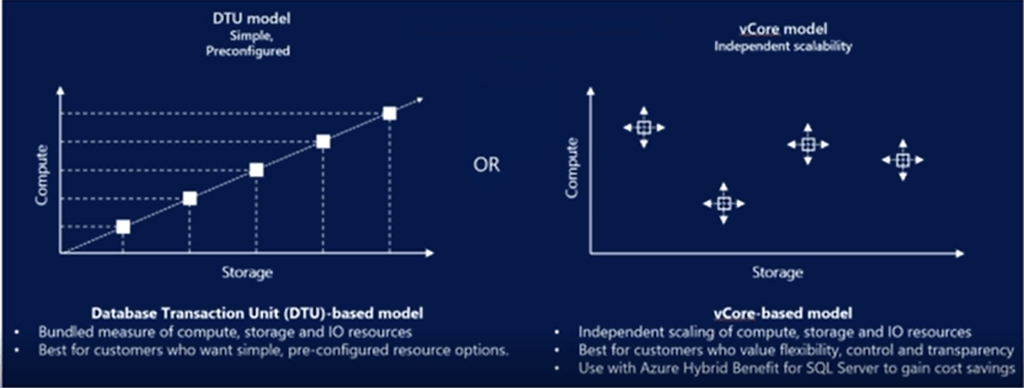
Microsoft Azure supported two Purchase model:

  1. DTU-Based Model: Supported Azure SQL Database only
  2. vCore-Based Model: Supported Azure SQL Database and Managed instance

For more information check this article

Azure purchasing models
Continue reading “Azure SQL Database Tiers Options”

Azure SQL Database Data Sync Group


Introduction

Azure Data Sync is Microsoft service announced on June 18, 2018, and it is used to sync the data from Azure SQL to another Azure SQL Database or from SQL Server on-premises to Azure SQL Bi-Directional this services used for data sync only and you should not use it as disaster recovery or as migration tool or as read-only replica IF you need to know when you should use azure data sync check this Microsoft article, and if you need to know What is the best option for Azure SQL Database Migration, replication and read-only check this link you will find very useful articles

Azure Data Sync Concept

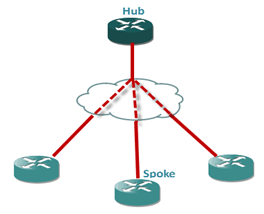
  • Sync Group: is one of the databases that you want to synchronize
  • Hub Database: is one the synchronize Databases
  • Member database: another database in the data sync synchronization is member databases
  • Synchronization: Happened between Hub Database and member databases this means when you do change on one of the member databases the changes reflected on the other member databases through the Hub database
Continue reading “Azure SQL Database Data Sync Group”

Azure SQL Elastic Database Job Agents Configuration


Introduction

As Database administrator we know that SQL jobs managed by SQL Server agent services, but this concept on SQL Server on-premises, in Microsoft cloud we have another something called Azure SQL Elastic job. Before starting in the definition of it I highly recommend you to understand first what is Azure database deployment model options and How we can configure Azure single database, Azure elastic Pool database and Azure Database Managed Instance Check Below Articles 👇

In this article of today I will cover below points and these points from my view are the basic points still we have many others points in this subject and I will cover it in the upcoming posts, Keep Following me and if you are interested to learn more about Azure SQL Database check this link and if you are interested to prepare for Azure administrator certification AZ-103 or AZ-104 check this link

  • What is the Azure SQL Elastic Job?
  • Differences between Azure SQL Database Jobs and SQL Agent
  • Azure SQL Elastic Database jobs Component
  • Configuration Prerequisites
  • Azure SQL Elastic Job Full Configuration (8 Steps)
  • Review the Elastic Job Configuration
  • References
Continue reading “Azure SQL Elastic Database Job Agents Configuration”

Azure SQL Database Managed Instance Fundamental


SQL Server Managed instance is one of the Azure SQL deployment model options and it is providing 100 % Compatibility with SQL Server on-premises so managed instance it the best migration option when you need to migrate the on-premises database without changing any configuration or losing any features not supported by Azure Single database and Azure SQL Database elastic pool. IF you need to know more information about Azure Single database and Azure elastic pool check this post and if you are interested and preparing for azure administrator AZ-103 certification check this link

  • Azure SQL Manged instance Tips
  • Differences between SQL Server On-Premises and Azure SQL Managed instance
  • Azure Managed instance Service Tier
  • Azure SQL Managed instance Security
  • References
Azure Deployment Model Options
Continue reading “Azure SQL Database Managed Instance Fundamental”